

Encapsulation as THE Model
For turning experiences into transformations

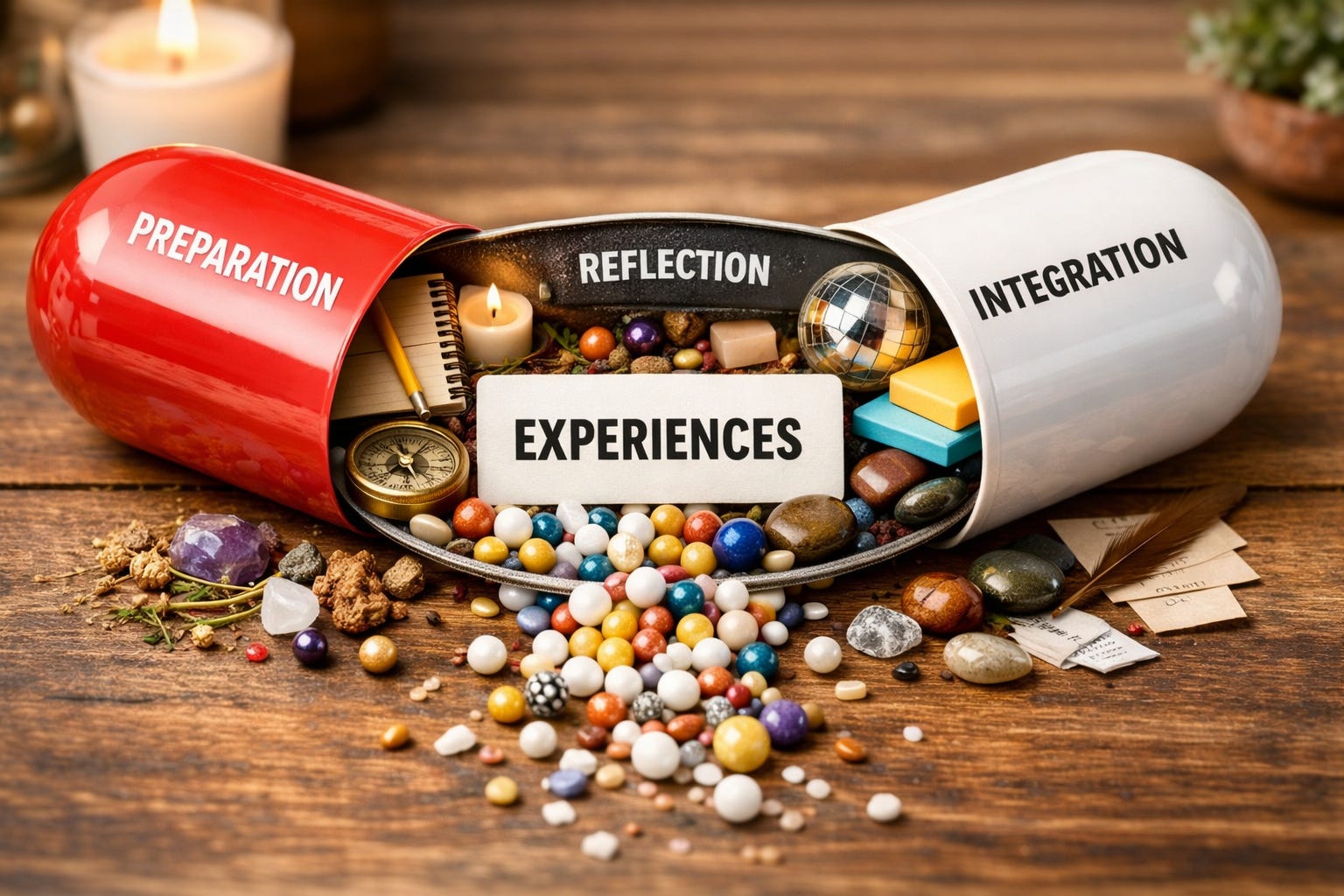
I think I’ve mentioned this before, but I couldn’t find it, so let me say it (possibly again): I have learned so much more about transformations in the nine months or so since I finished the final draft of The Transformation Economy than I think I learned in the two or three years after Jim Gilmore and I finished The Experience Economy.
One of these things – I believe from saying it in the spur of the moment on one of the many podcasts I’ve done, but now I say it all the time – is that encapsulation is THE model experience stagers should apply to embrace the Transformation Economy. If you are in the experience business today, even if you do nothing else, this one framework will enable you to shift from memorable (or meaningful or transporting) experiences to transformative ones.
Encapsulation
Recall, reread, or look at for the first time the section entitled “Leading the Way to Lasting Change” on pp. 92-97 of chapter 4, “Shifting from Experiences to Transformations”. I lead off with this paragraph:
So what does it take to turn transformative experiences into transformations? How do you guide aspirants in “bringing home” what they did, what they learned, how they grew? And how do you make it last? By encapsulating the experience with three activities: preparation beforehand, reflection afterward, and integration on an ongoing basis, as seen in figure 4.1.
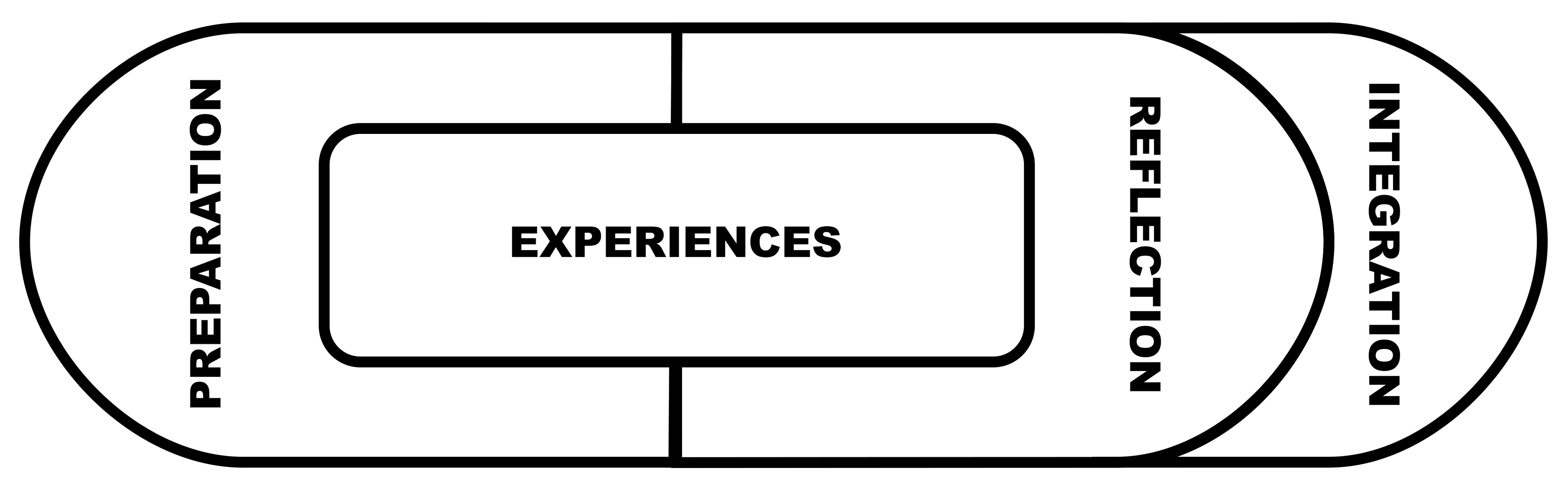
Encapsulation is my term for what many guides do naturally, and is very well academically researched, especially for preparation and reflection. (The endnote in the book at the close of the paragraph above details only a portion of this research, and goes to over 500 words!)
Preparation
As I go on to define,
Preparation involves helping them imagine the experience before it happens by picturing its sequence of events, thinking about what it will be like, ideally even envisioning what effect it may have on them and how that relates to their aspiration.
When an experience stager adds this to an existing experience, “them” means guests, as they are not yet aspirants. So when you add preparation to your experience, seek to get guests to think of any transformation journeys they are on, or spark thoughts about what journeys they might want to be on that relate directly to your experience.
In preparation, get guests to think in terms of transformation journeys
Reflection
I write that reflection is what
happens when guests look back on an event not just to remember it, but to ponder it, perhaps to discuss it with others, and always to consider its impact on them as individuals.
Here’s the key thing to realize: reflection retroactively increases the value of your experience – even when being transformational isn’t part of the equation. It gets guests to look back on the experience to recognize how much it engaged them, then identify, appreciate, and even cherish the high points, and cement the memories in their minds. It can be done virtually hours or days after the experience, but ideally it should be done right away as the experience is still fresh in the mind, at the top of memory, and significant in meaning. So if you do only one part of encapsulation, make it reflection!
Reflection retroactively increases the value of your experience
When desiring to turn your experience into a transformation, heed my statement on p. 93 that “While thinking back on any experience, people can simultaneously look forward.” But an extension to what I learned here is that you should also have your guests/aspirants think about the present, in particular to relate to preparation questions on any transformation journeys they are or might want to be on. This can turn guests into aspirants, to recognize the new possibilities this particular experience opened up for them.
I exemplify this past/present/future orientation by reflecting it (pun intended) in The Transformation Toolkit. Every tool ends with reflection, and more than one has multiple reflections for various facets of exercises, templates, and worksheets that help you operationalize the ideas, principles, and frameworks in the book. In the Encapsulation Tool, I divide the sample reflection questions into what happened, the effects of the experience, and its future impact as a way of thinking about the tripartite nature of reflection.
Reflection should have a past/present/future orientation
Integration
Preparation and reflection are relatively easy to add to any experience, but integration takes much more work. Back in the book I write (p. 93):
Integration takes that reflection and puts it into action. This is where people—if they were mere guests before, they are full aspirants now—go beyond mere experience to begin serious work on the transformation itself, with your guidance.
